What Remains

Still from Salón De Actos (2026). Courtesy Alejandro Moreno Jashés.
EXHIBITION DETAILS: Onassis ONX, 390 Broadway Floor 4, New York, NY September 25 - October 4, 1-7PM (Closed Monday and Tuesday)
Abandoned theaters are given a speculative digital afterlife. A sculpture attempts to translate itself into code. Ice forms, melts, and becomes language. Across What Remains, technology appears not as a neutral tool, but as a material and cultural force that translates, distorts, and reanimates the worlds it encounters. Such an elusive force can both bring us together and set us apart, connecting and separating in equal measure.
The creative practices of these seven artists dwell in unstable spaces between physical and digital experience, revealing moments when translation breaks down, perception shifts, and familiar forms acquire new meanings. Rather than resolving these tensions, the artists use them to explore the gaps between an object and its data, a body and its virtual image, an environment and the systems designed to interpret it.
These works together reveal through their technological interventions unstable fields of relations among subjects, machines, environments, memory, and power. There is no singular vision of the future. Instead, the exhibition presents multiple ways of inhabiting the present by making hidden infrastructures perceptible, reactivating overlooked histories, proposing new forms of encounter, and altering how we understand our place within a rapidly changing world.
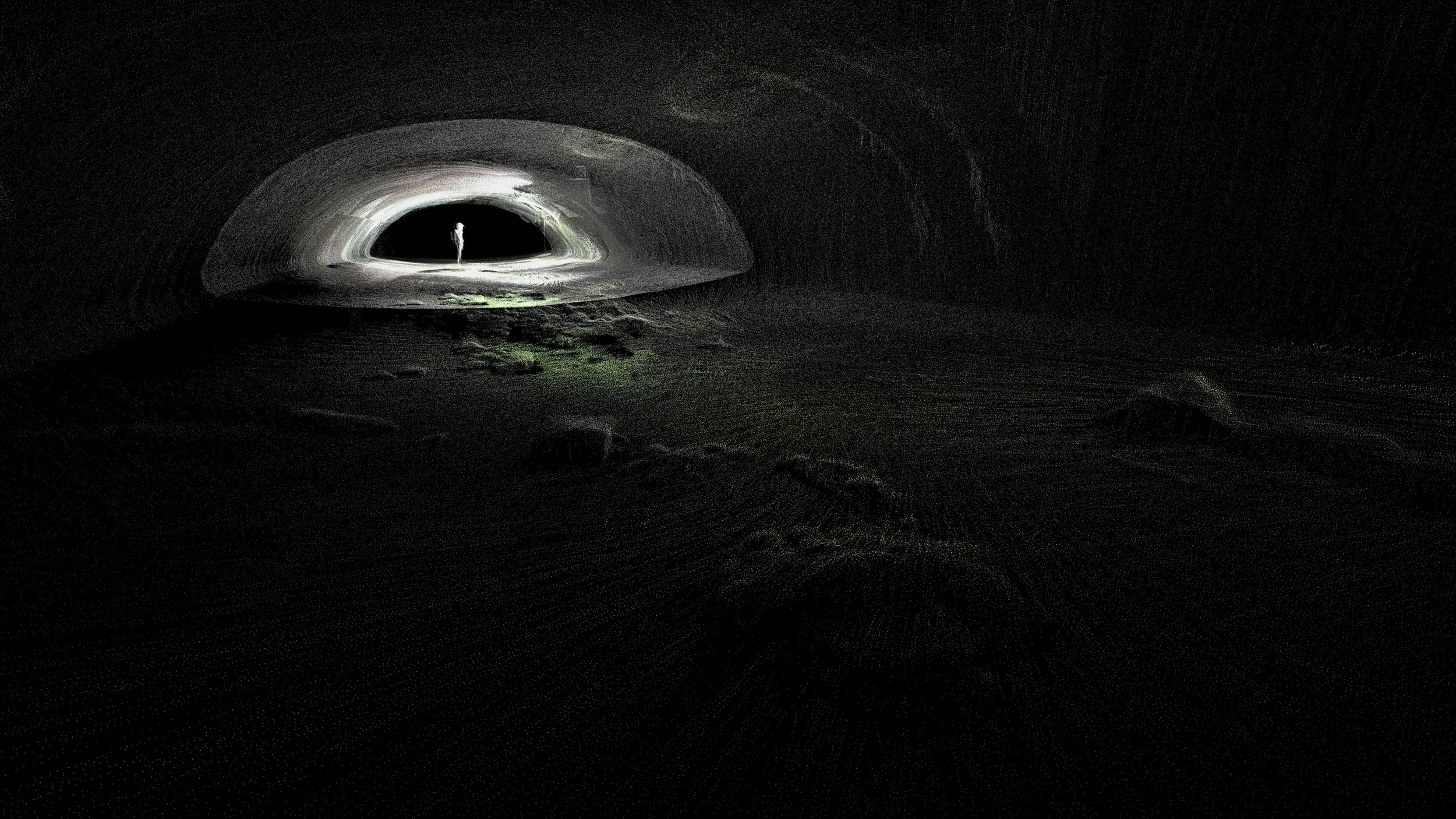
Ugo Arsac Katabasis
Making its U.S. debut after winning Best Immersive Work at the 2026 Cannes Film Festival, Katabasis guides you into the city’s hidden veins – spaces known by people rarely seen: unhoused souls, unseen laborers, abyssal poets, seekers of the invisible. Ugo Arsac amplifies their raw, intimate voices, creating an immersive journey where poetic evocation and documentary truth intertwine – a story of escape, longing, and the urgent necessity to exist.
The presentation of this work in New York is supported by Villa Albertine’s 2026 French Immersion Exhibition Grant.
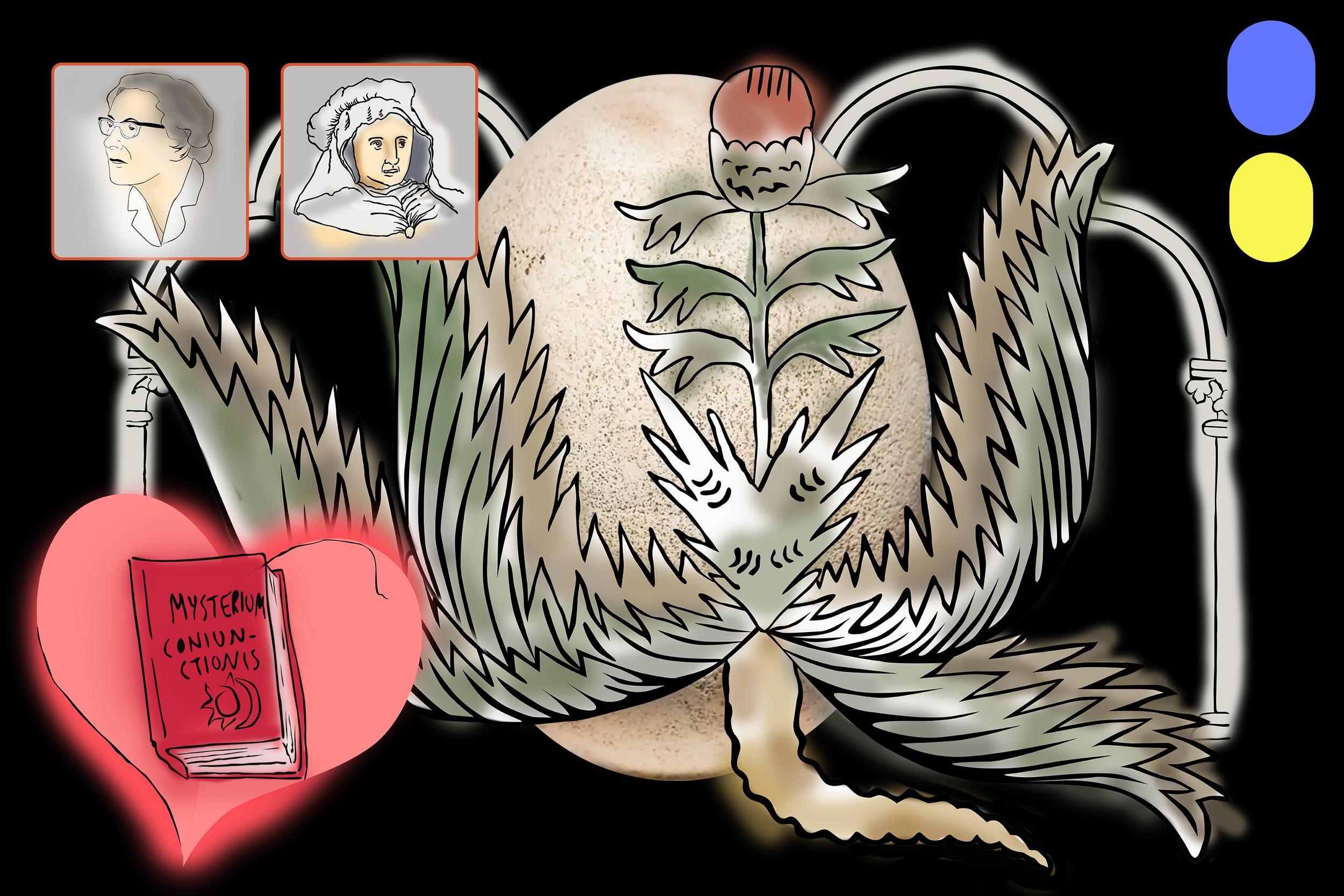
Margarita Athanasiou A brief introduction to Alchemy
A brief introduction to Alchemy is a 12 minute sneak peek into what will become a feature length video essay. Through a hyperlink-style narration audiences will be taken on a journey through some of the main themes of the work: From the gendered history of alchemy to the women in Carl Jung's transcendental psychoanalysis circles, and from archetypical fairytale evil to AI technofascism.
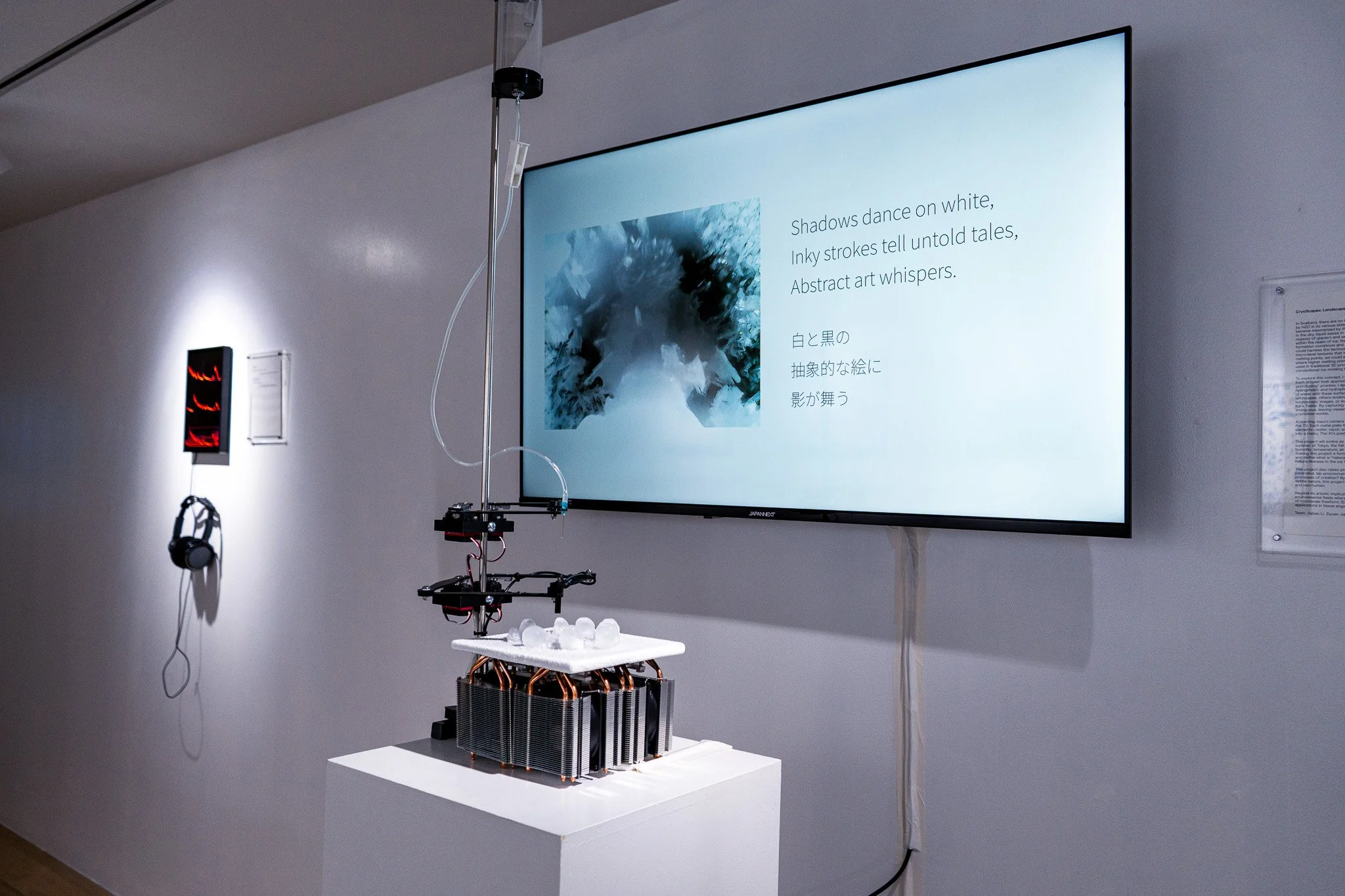
Jiabao Li Cryoscape
Developed during Jiabao Li’s Arctic Circle residency in Svalbard, Cryoscape is a 3D ice printer that transforms water into shifting landscapes and microscopic forms. A camera and AI translate melting ice into haiku. Shaped by each site’s climate, the work links transformation, computation, and environmental cost in a self-destroying machine.
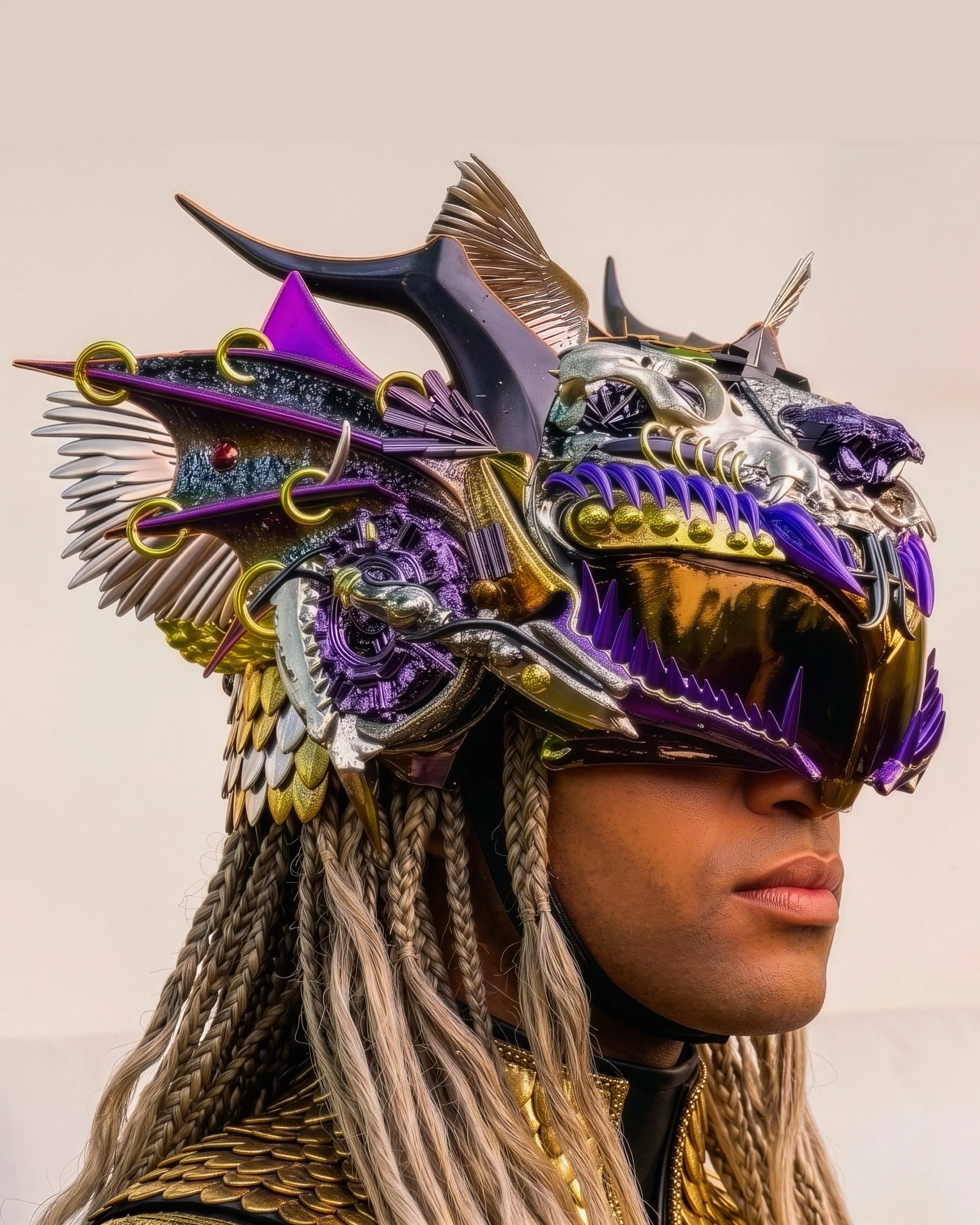
Huntrezz Janos Dis-ARMOUR-Machine
Dis-ARMOUR-Machine is a wearable XR artwork centered on solar-fabricated biomechanical armor. Through 3D-printed sculpture, poetry, AR, game-space, posters, and digital archives, it transforms ideas of protection from militarized defense into an interface for survival, abolitionist imagination, ecological technology, public resistance, and speculation.
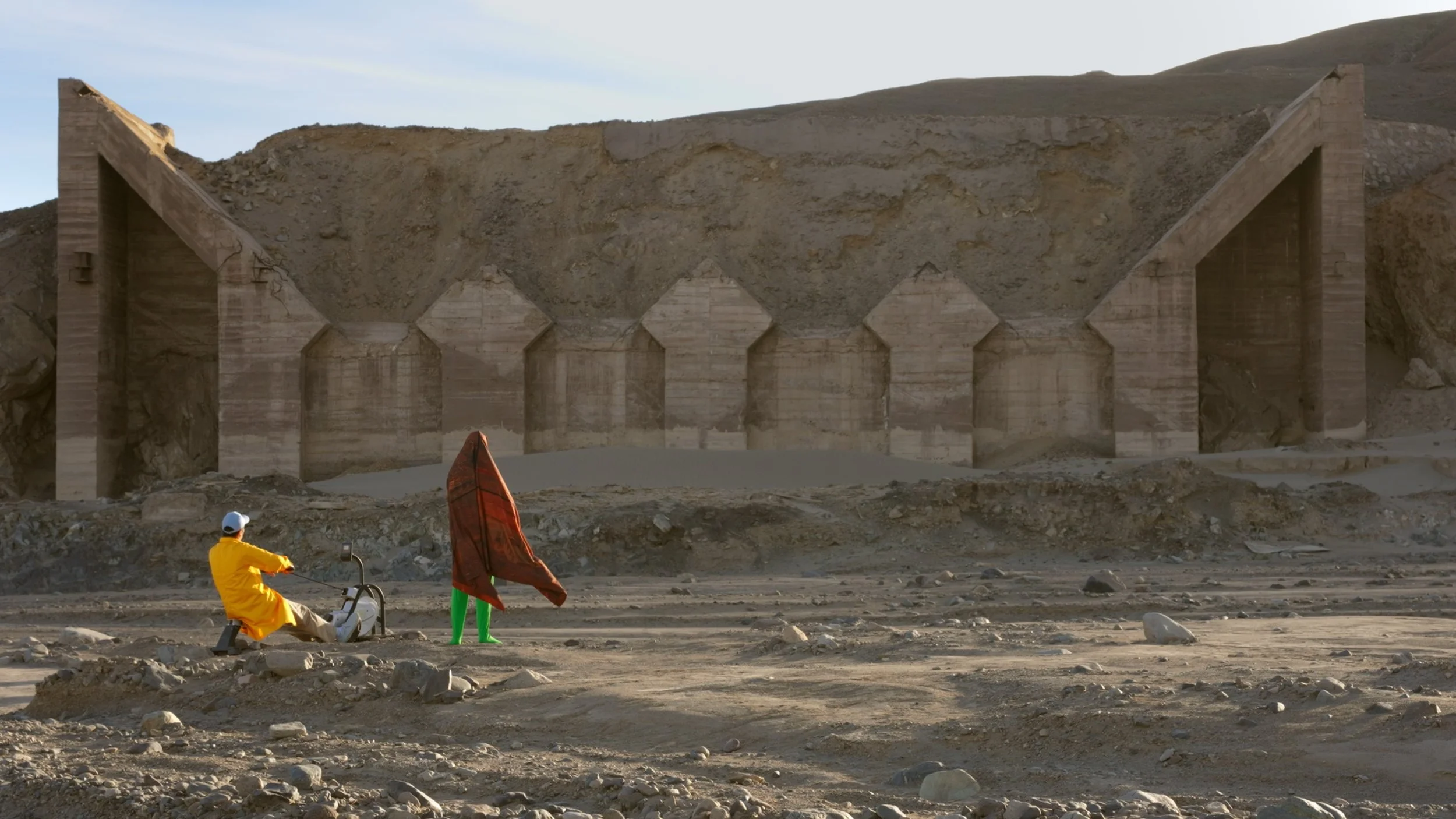
Alejandro Moreno Jashés Salón de Actos - Act I: The Benefits of Lime
Salón de Actos, Act I: The Benefits of Lime transforms the abandoned Windsor Theatre in Chile’s Atacama Desert into a living archive. Moving between live-action footage, digital reconstruction, and photogrammetry, the work combines fables, voices, and desert mythologies to explore memory, ruin, fiction, and technological preservation across time and media.
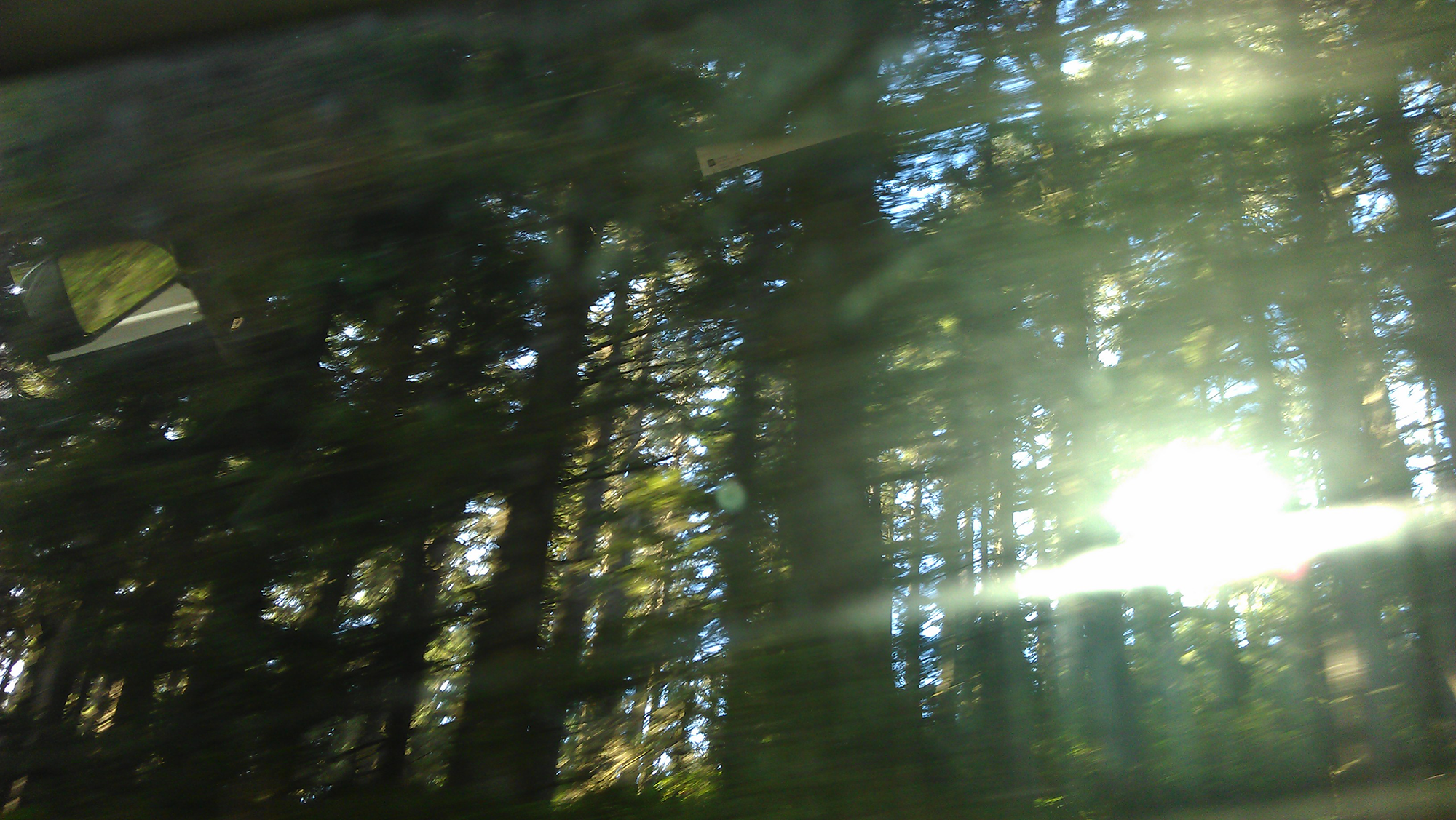
Chloe Alexandra Thompson Untitling (field relations)
Untitling (field relations) begins with a simple proposition: sound is our first sense. Through field recordings, voice transformed through playback, synthesis, and responsive spatial media, the installation invites listening as a practice of reciprocity. As sound, light, and image continually reorganize through collective presence, listening becomes a way of sensing relation, memory, and place beyond language—a practice of tending, remembrance, and return.
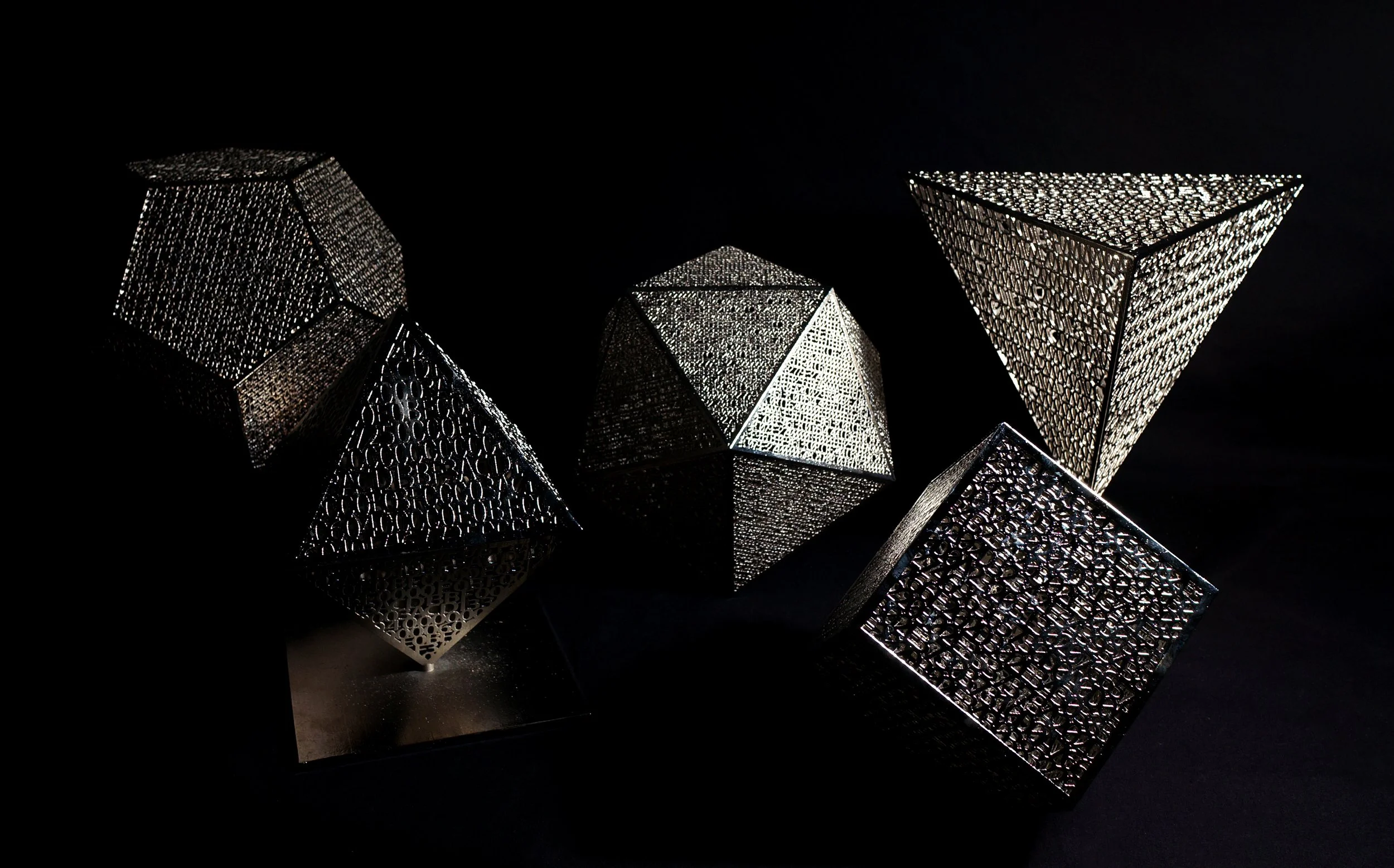
Ashley Zelinskie Reverse Abstraction
This ongoing series of sculptures examines the different languages through which humans and computers perceive objects. Physical sculptures anchored along a long wall are covered in hexadecimal and binary code—allowing a computer to read that code and “see” the object that humans see in physical space. At the far end, the generative piece runs the recursion loop in real time: scanning, encoding, embedding, re-scanning, endlessly. Each iteration drifts further from the original.
ABOUT ONASSIS ONX Onassis ONX is the Onassis Foundation’s global platform for art and advanced technologies. As a catalyst for digital cultures, Onassis ONX empowers creatives who build transformative works, elevating their practice across ideation, development, presentation, and distribution through studios in Athens and New York. This holistic engagement throughout an artistic process enables world building at the frontiers of AI, immersive, spatial computing, gaming, and other emergent time-based media. Onassis ONX cultivates and engages with a network of institutions and industries ready to respond to these new forms of creative expression and meaningfully engage with audiences around the world.
ABOUT ONASSIS FOUNDATION The mission of the Onassis Foundation, founded by Aristotle Onassis in 1975, is human-centered: to shape and shake society through new ideas, bold discussions, and unexpected connections in Health, Education, and Culture.
Onassis Hospital, with three decades of pioneering work, more than 2 million visits, and tens of thousands of heart surgeries, continues to change the healthcare landscape. Today, it brings together the Onassis National Transplant Center and an autonomous cardiology unit dedicated exclusively to children, providing access to healthcare for all.
Since 1978, the Onassis Foundation has supported education by empowering young people and new ideas for a better society, with over 1,800 educational programs and 8,000 scholarships worldwide. Since January 2025, the Onassis Public Schools have been developing model public schools with a strong social focus, transforming 20 middle and high schools across the country.
Through Onassis Stegi (‘stegi,’ a Greek word for ‘roof’ or ‘shelter’) an emblematic venue in Athens, the Onassis Foundation encourages local and international artists to thrive and sparks conversations that open up new ways of thinking. Since 2010, it has showcased 15,000 theater, dance, music, and visual arts performances, exhibitions, and events.
Aiming to increase the visibility of Greek artists, the Onassis Stegi Touring Program has brought more than 100 productions and co-productions to over 200 cities across 72 countries. In 2025, the Onassis Foundation launched Onassis Ready, its new arts venue in Athens. Onassis Stegi’s web radio, STEGI.RADIO, broadcasts 24/7, highlighting new music and ideas, while Onassis AiR supports artistic research and practice. As an engine for art and advanced technologies, Onassis ONX empowers artists creating genre-defying works through its hubs in Athens and New York City. The Onassis Foundation, with more than 50 years of pioneering spirit and boldness, approaches diverse initiatives in Health, Education, and Culture with a holistic strategy and acts as a catalyst for social progress with a clear vision: being consistently innovative and creatively disruptive.